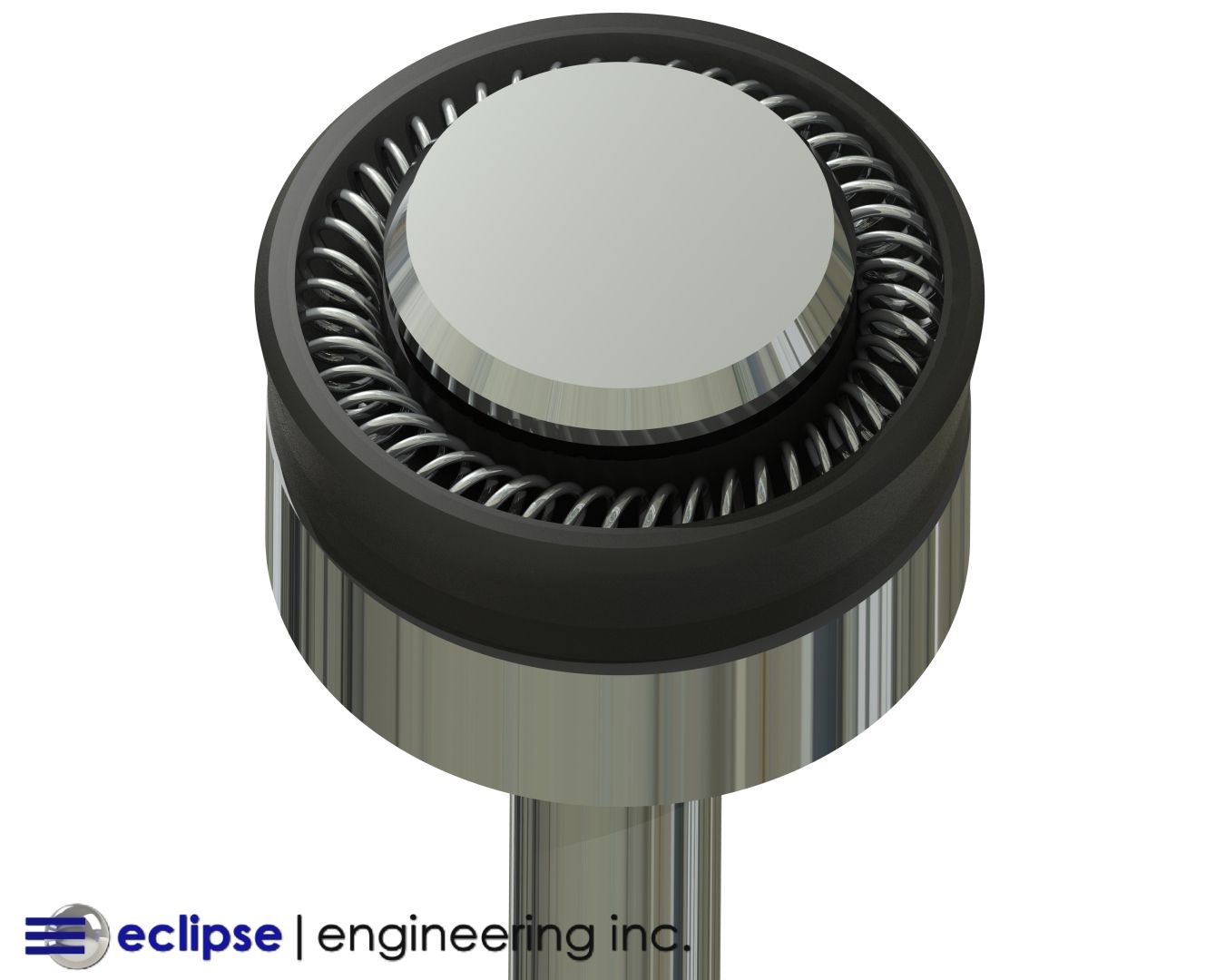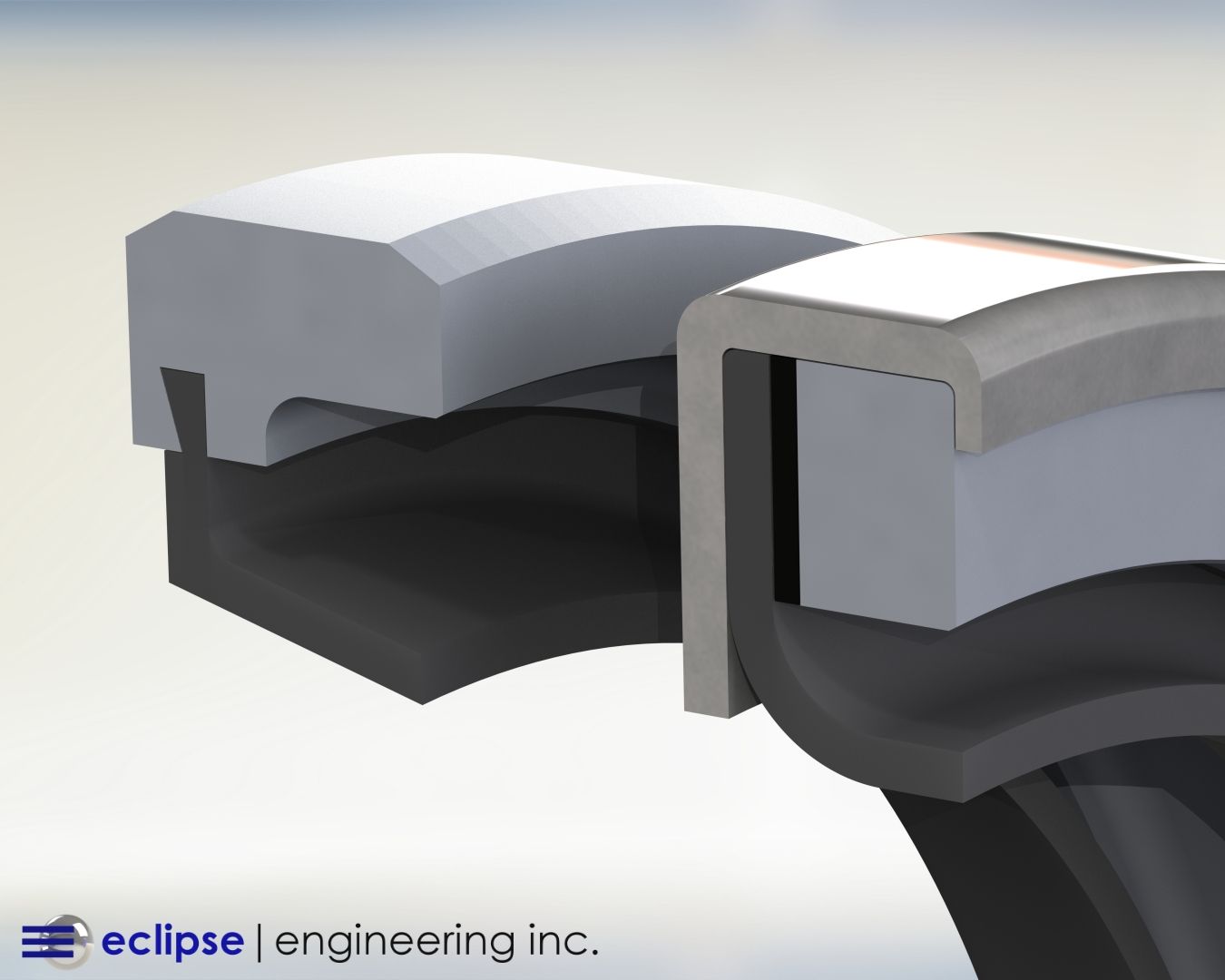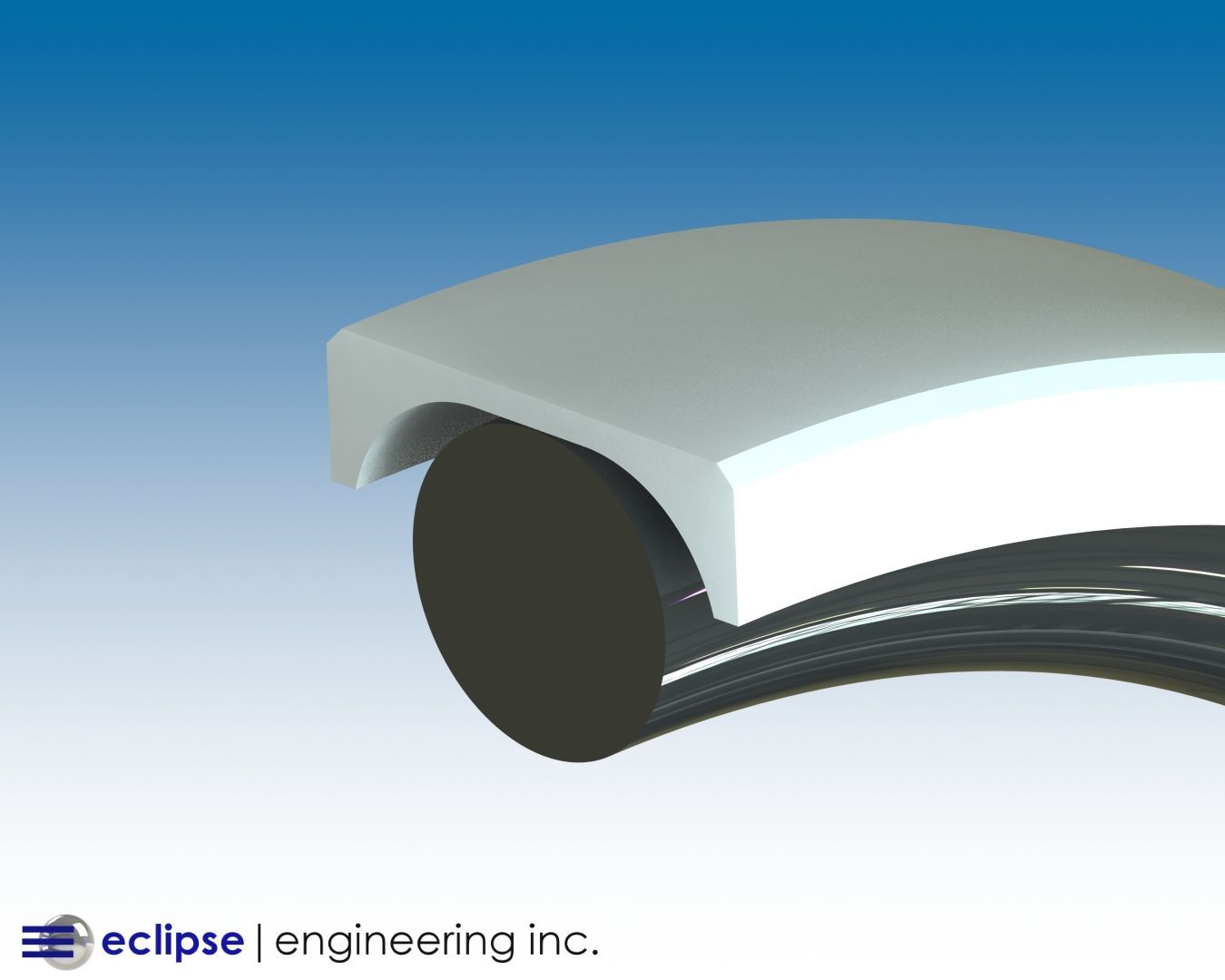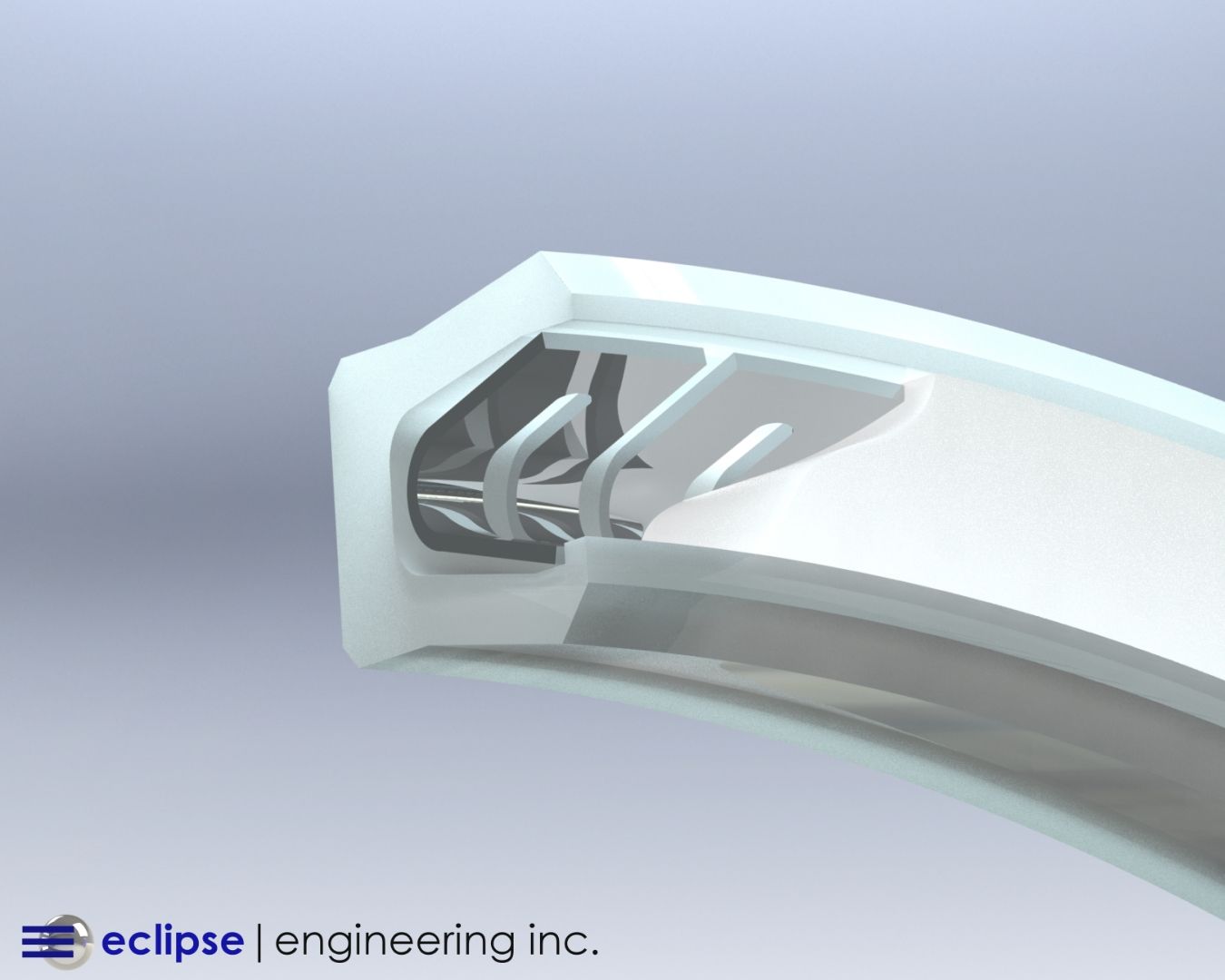
EZ032: An Extreme Material for Extreme Applications

admin • March 6, 2018

Every day, Eclipse works to push the limits of engineering and product requirements in a variety of industries. As surface speeds and temperatures are driven to extremes, wear resistance becomes an increasingly important factor to ensure long sealing wear life.

While heavily-filled PTFE materials such as glass/carbon/PPS blends have been available for years, even these have fallen short of expectations in the most demanding applications presented by our customers.

Luckily, Eclipse has a new material weapon at our disposal to meet the challenge: our EZ032.

What is EZ032 and What Makes It Special?

Eclipse’s EZ032 is a high-percentage fill blend of carbon, carbon fiber and Modified PTFE.

Proprietary blending technology is used to evenly disperse carbon and fiber fillers throughout the base resin imparting wear resistance and high temperature capabilities.

What makes EZ032 a unique material is how the resin blending allows for a high level of fillers to be added without degrading the properties of the base resin.

Typically, higher filled resins don’t lend themselves to being used in seals. In the case of EZ032, the desired properties of pliability and resiliency still remain, making this material useful in critical sealing applications where high pressure-velocities are present.

Where Should EZ032 Be Used?

Where wear or temperature resistance is the name of the game, EZ032 should be considered.

Eclipse has specified EZ032 with great success in linear bearing applications running continuously at 575°F and rotary sealing applications with Pressure-Velocities above 150,000.

With EZ032, Eclipse has manufactured effective solutions for multiple downhole rotary sealing applications where surface speed, temperature and abrasive media were too much for other materials.

Switching to EZ032 in a certain gear pump application increased seal wear life over 20%, which means 20% fewer rebuilds and associated downtime. That also means increased profitability for your team.

Contact Eclipse today to see if EZ032 can make a difference in your extreme applications, including the following:

  • Gear Pump Seals
  • Mechanical Face Seals
  • Downhole Seals
  • Wear Rings and Bearings
  • Gearboxes
  • Compressors
By Doug Montgomery • October 21, 2026
When designing a successful sealing system, factors such as leakage control, wear resistance, and seal material selection often receive the most attention. However, another critical component can have just as much influence on performance: the seal gland. A seal gland, also referred to as a groove, is the space within the hardware that houses and retains a seal. Its design affects not only how the seal functions but also how easily it can be installed, removed, or replaced. Different seal materials and configurations require different gland designs. For example, an elastic O-Ring may be relatively easy to install in a solid gland, while a PTFE spring-energized seal may require a split or stepped configuration to prevent damage during installation. Understanding the different types of seal glands is essential when selecting a sealing solution. Below, we'll explore four common gland designs, their advantages and limitations, and the seals best suited for each. What Are the Four Main Types of Seal Glands? The four common types of seal glands used in rod and piston sealing applications are solid, open, split, and stepped glands. Each offers different benefits depending on the seal material, installation requirements, and hardware configuration. Solid glands feature a simple rectangular groove and are commonly used with O-Rings and certain O-Ring energized PTFE seals. Open glands allow seals to be installed directly into a counterbore and are typically best suited for metal-cased seals, including rotary lip seals and cased spring energized seals. Split glands use a removable retaining component to simplify seal installation, removal, and maintenance. They are particularly useful for spring energized seals and applications requiring frequent seal replacement. Stepped glands incorporate a small retaining step that secures the seal without additional hardware. They are often used in spring energized sealing applications where a one-piece hardware design is preferred. Choosing between these designs involves balancing installation requirements, manufacturing complexity, and long-term seal performance. Solid Glands
By Doug Montgomery • September 14, 2026
Compare Crimped Case Seals and traditional componentized rotary lip seals, including their advantages, limitations, costs, and ideal applications.
By Doug Montgomery • August 26, 2026
Learn the advantages and limitations of Channel Seals, including friction, wear life, PTFE performance, machining requirements, and dynamic sealing considerations.
CIP Spring Seal Silicone
By Doug Montgomery • July 15, 2026
Learn how Clean-in-Place (CIP) seals improve sanitation, reduce downtime, and support FDA-compliant sealing applications in food, pharmaceutical, and industrial equipment.