The Pros and Cons of Channel Seals
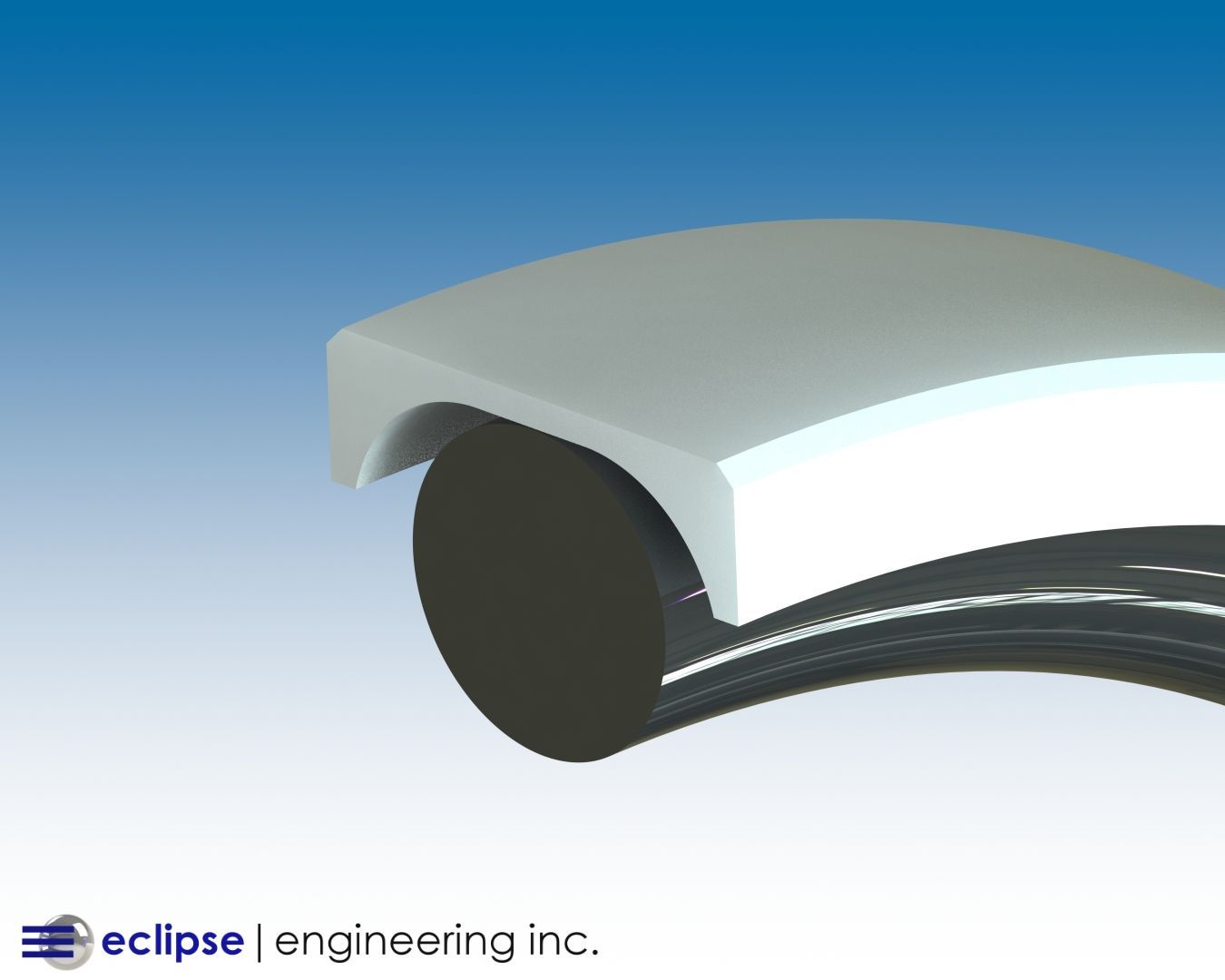
The Channel Seal is one of the oldest O-Ring energized PTFE seal designs. While produced under many different trade names and nomenclature, the general design can be traced back to the 1960s. Their functionality is very similar to a standard O-Ring Energized Piston or Rod Seal, but they offer some unique advantages. We’ll also see how the design presents some downsides.
With PTFE becoming more commercially available in the middle of the 20th century, new ways to incorporate it into sealing systems were investigated. The Channel Seal was originally designed as an add-on or retrofit for existing standard O-Ring sealing systems.
What Is a Channel Seal?
In many cases, O-Rings are the best sealing solution for static applications. However, their performance in dynamic applications leaves a lot to be desired. High friction, “stick-slip” operation, and low wear life are obviously not ideal for any system.
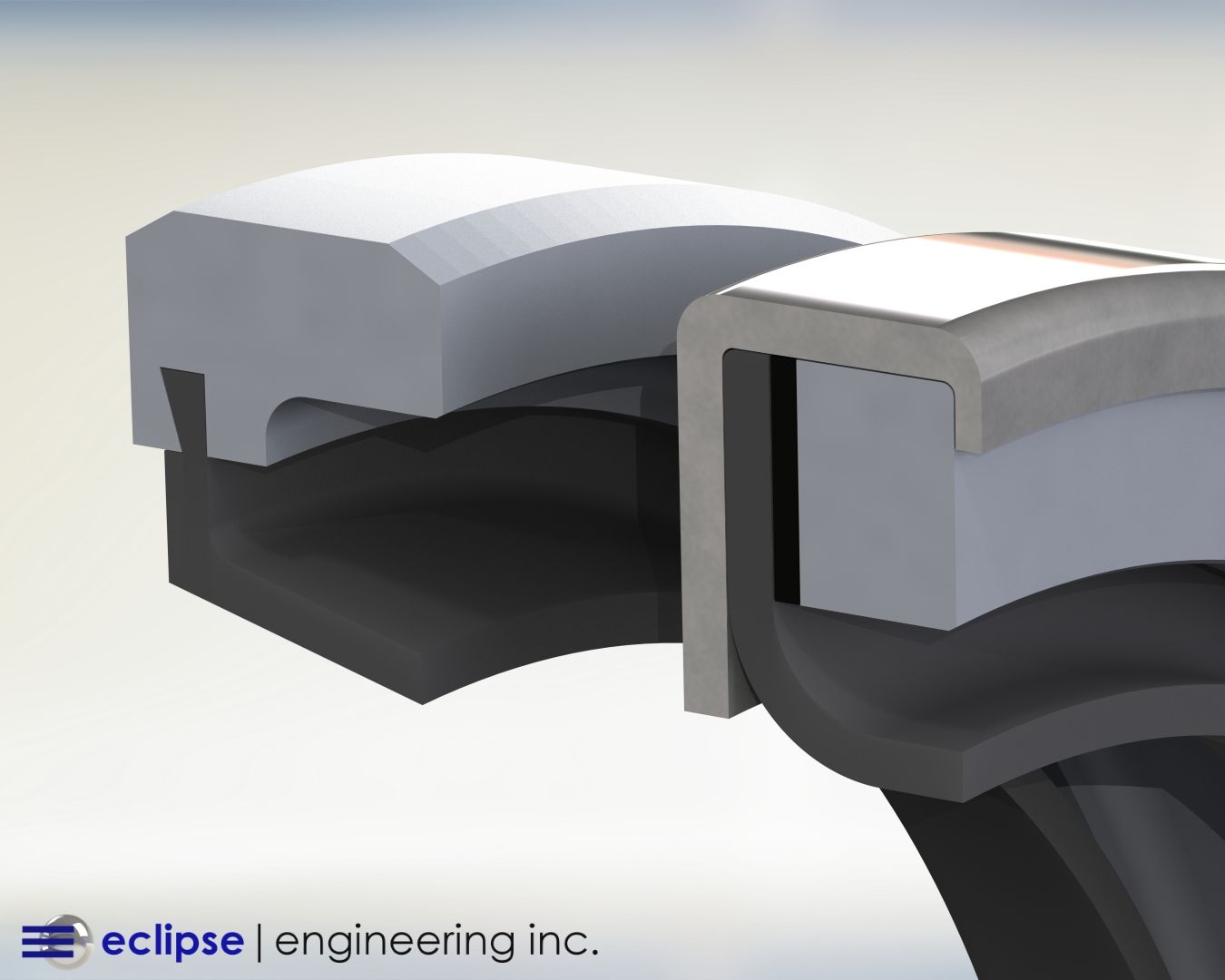
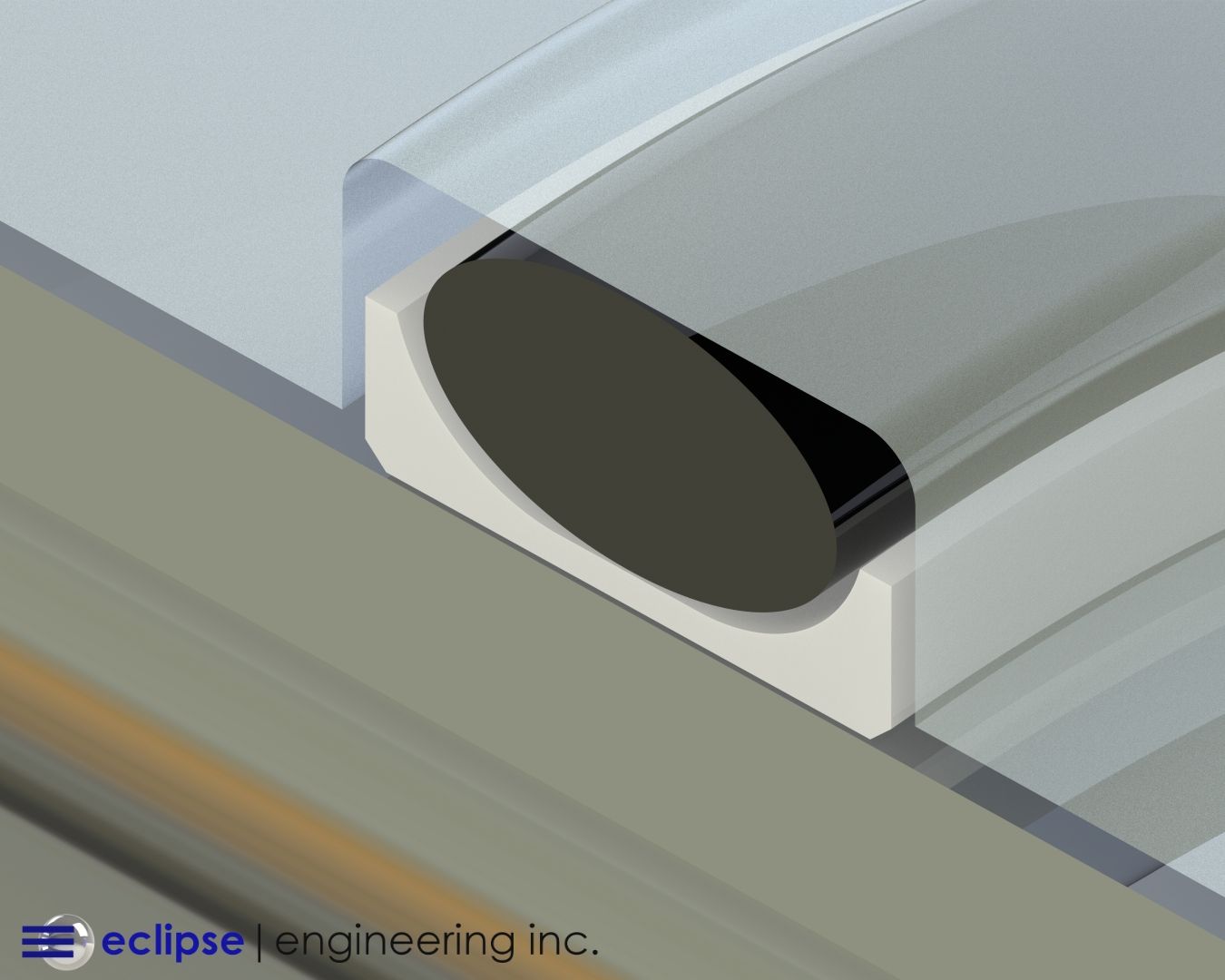
The Channel Seal is an immediate remedy to many of the drawbacks of an O-Ring in a dynamic application. A Channel Seal is simply placed on top of an O-Ring in a standard groove. The channel surrounds the O-Ring with a thin membrane or web of PTFE on top and two thicker “ears” on the sides.
The thin web of PTFE now becomes the seal interface surface with the dynamic face of the hardware. If the O-Ring was used with back-up rings, the Channel Seal will replace the back-up rings, providing similar functionality and extrusion resistance.
The thin design of the PTFE helps with the Channel Seal’s ability to be installed in solid O-Ring glands. The seals will have to be stretched into piston glands and “kidney beaned” into rod glands. This can be much more difficult with thicker seal ring designs
.
Advantages of Channel Seals in Dynamic Applications
The coefficient of friction for PTFE can be 10 to 20 times lower than a typical O-Ring. This is clearly an upgrade in every dynamic sealing system. PTFE also does not exhibit any of the “stick-slip” characteristics that elastomers typically face.
The static and dynamic friction coefficients for PTFE are often very similar. This results in smooth, predictable dynamic motion. For this reason, Channel Seals were widely adopted for use in many aerospace flight control systems.
Along with lower friction, the wear life of PTFE is vastly superior to elastomers. Especially with the use of filled PTFE blends, the service life of a Channel Seal will be many times greater than an O-Ring by itself.
As somewhat of a failsafe, once the web of the Channel Seal has completely worn through, the O-Ring will take over and maintain sealing. This is a unique feature of Channel Seals. When the ultimate wear life of a typical O-Ring Energized Seal Ring is reached, the O-Ring is no longer energized and the seal will begin to allow leakage.
Disadvantages and Limitations of Channel Seals
Channel Seals are not without their drawbacks, though, especially when compared to other seal designs. While it is a prominent feature that Channel Seals work with existing O-Ring grooves, this also severely limits their wear life potential when compared to a standard O-Ring Energized Seal Ring.
The web of a Channel Seal must be very thin to not over-occupy the O-Ring. Since the O-Ring is already sufficiently compressed without the Channel Seal, the additional web of PTFE often pushes occupancy to the upper limit.
The resultant web of most Channel Seals is usually only 0.004” to 0.010” thick. This is obviously not a lot of material to wear away.
Channel Seal Manufacturing and Machining Considerations
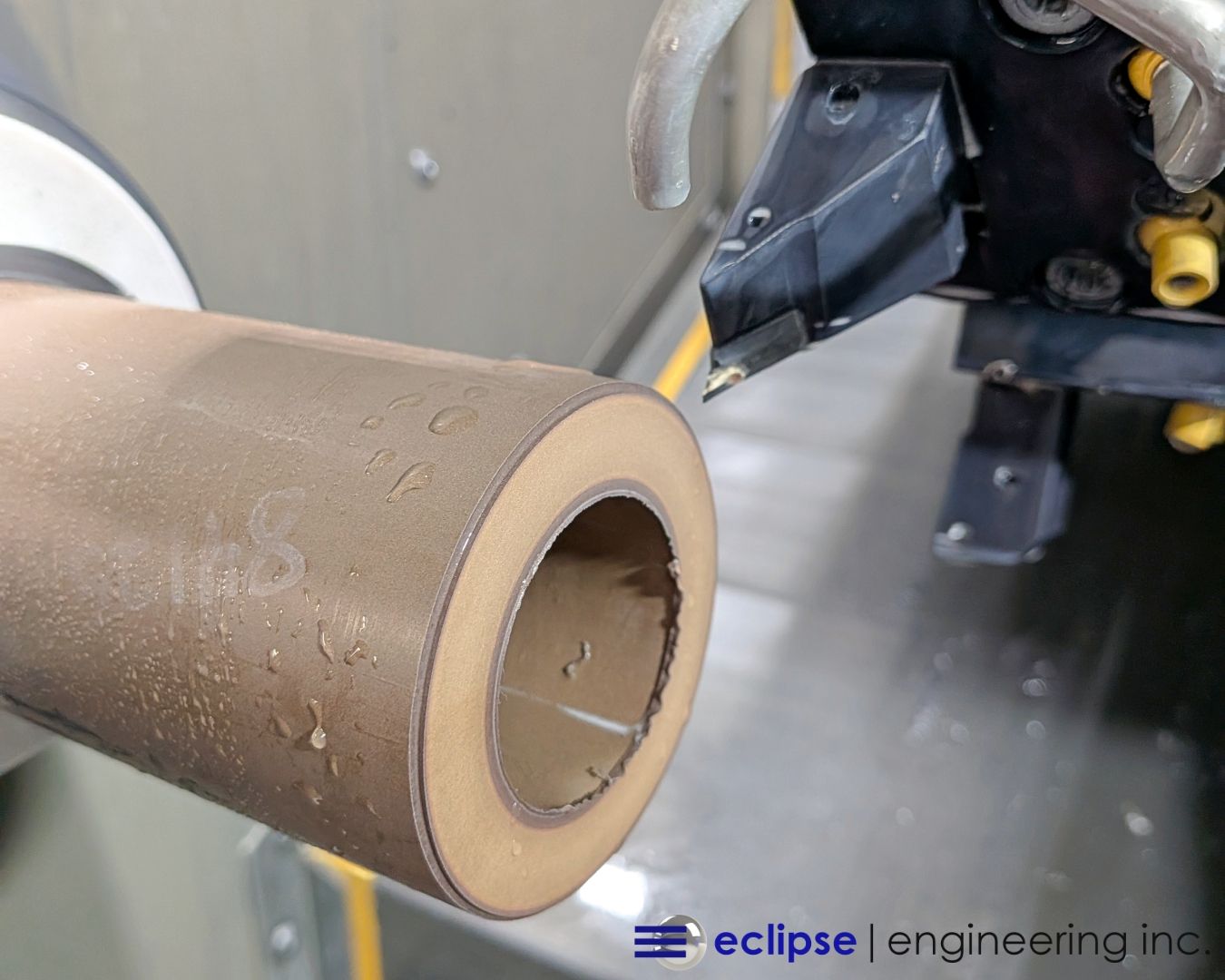
The machining tolerance of the web also has to be carefully controlled; otherwise, over-occupancy or an overly thin web may result. This, along with the overall more complicated geometry, makes machining Channel Seals more challenging than machining a typical O-Ring Energized Seal.
If high-volume production is needed, a standard seal ring is the much more economical shape to mass produce.
Hardware Surface Finish and Wear Considerations
If you’re considering adding a Channel Seal on top of an existing O-Ring to improve friction and wear performance, there are a few things to keep in mind.
First, sealing performance will not be as good as the O-Ring alone. PTFE is a much harder material than elastomers and will not have as high of leakage control, especially on poor hardware surface finishes.
O-Rings can typically operate fine on “as machined” surfaces, but PTFE seals often require post-grinding and polishing of the hardware to get to surface finishes where leakage is acceptable.
Hardness of the hardware dynamic surface also becomes a concern with PTFE where it probably is not with an O-Ring. Filled PTFEs containing elements such as fiberglass or carbon fiber can be very abrasive to unhardened surfaces. Maximizing seal wear life potential may also result in damaged rods or bores if hardness is not up to spec.
Is a Channel Seal Right for Your Application?
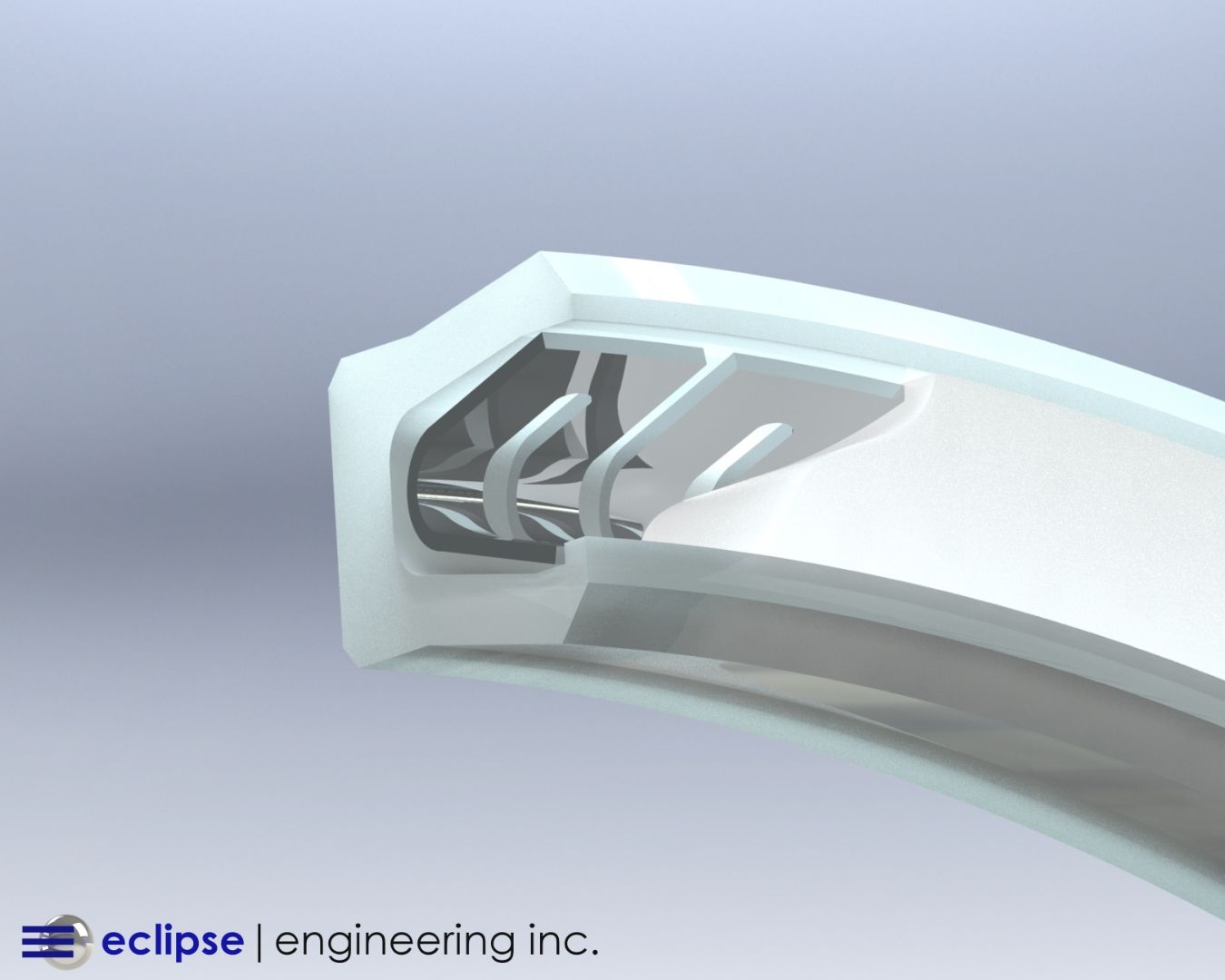
Is a Channel Seal the right sealing solution for your application? Maybe an O-Ring Energized Seal Ring or a Spring Energized Seal would perform better.