Wear Rings and Bearings: Best Materials, Applications, and Design Considerations
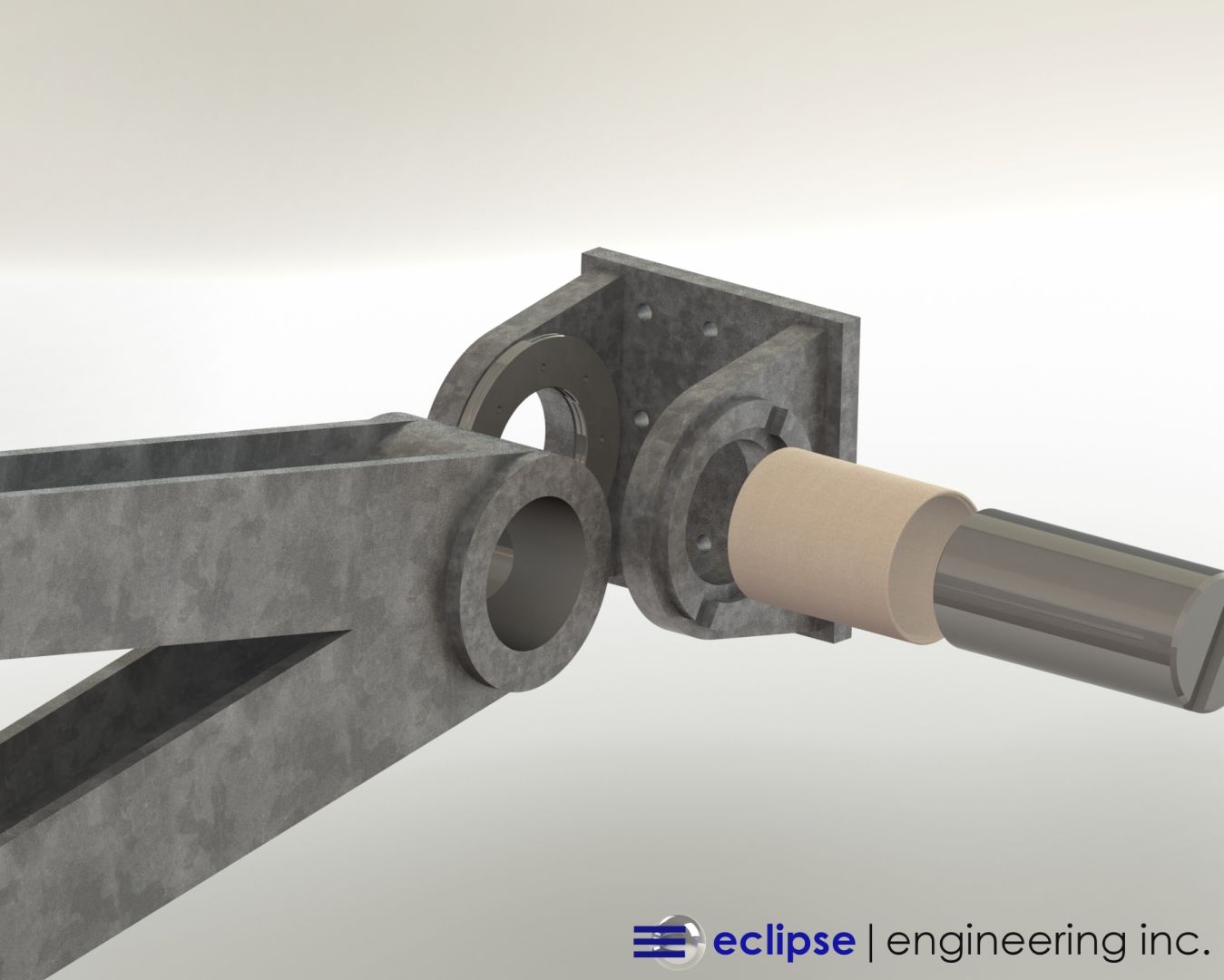
All moving shafts, whether reciprocating or rotary, require guidance to prevent metal-to-metal contact. Without proper support, friction and relative motion will inevitably lead to wear, reduced efficiency, and eventual system failure.
In industrial applications, this guidance is typically achieved through wear rings and bearings, which play a critical role in maintaining alignment, distributing loads, and protecting sealing components. Selecting the right material and design for these components is essential to ensuring long-term performance and reliability.
At Eclipse Engineering, we specialize in designing custom-engineered bearings and wear rings for demanding applications across industries. Understanding how these components function and how material selection impacts performance can help engineers and procurement teams make more informed decisions.
Understanding Wear Rings and Bearings in Industrial Applications
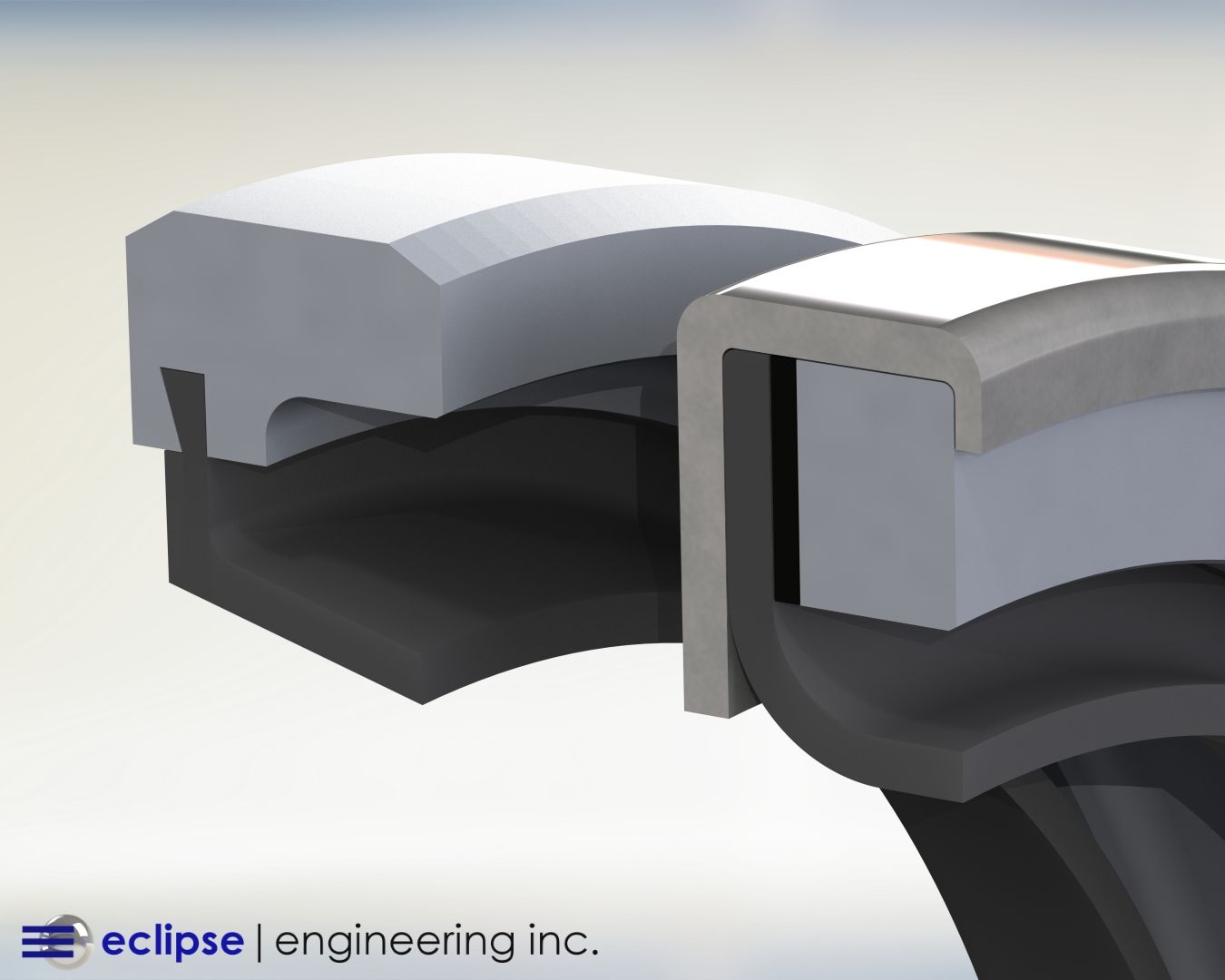
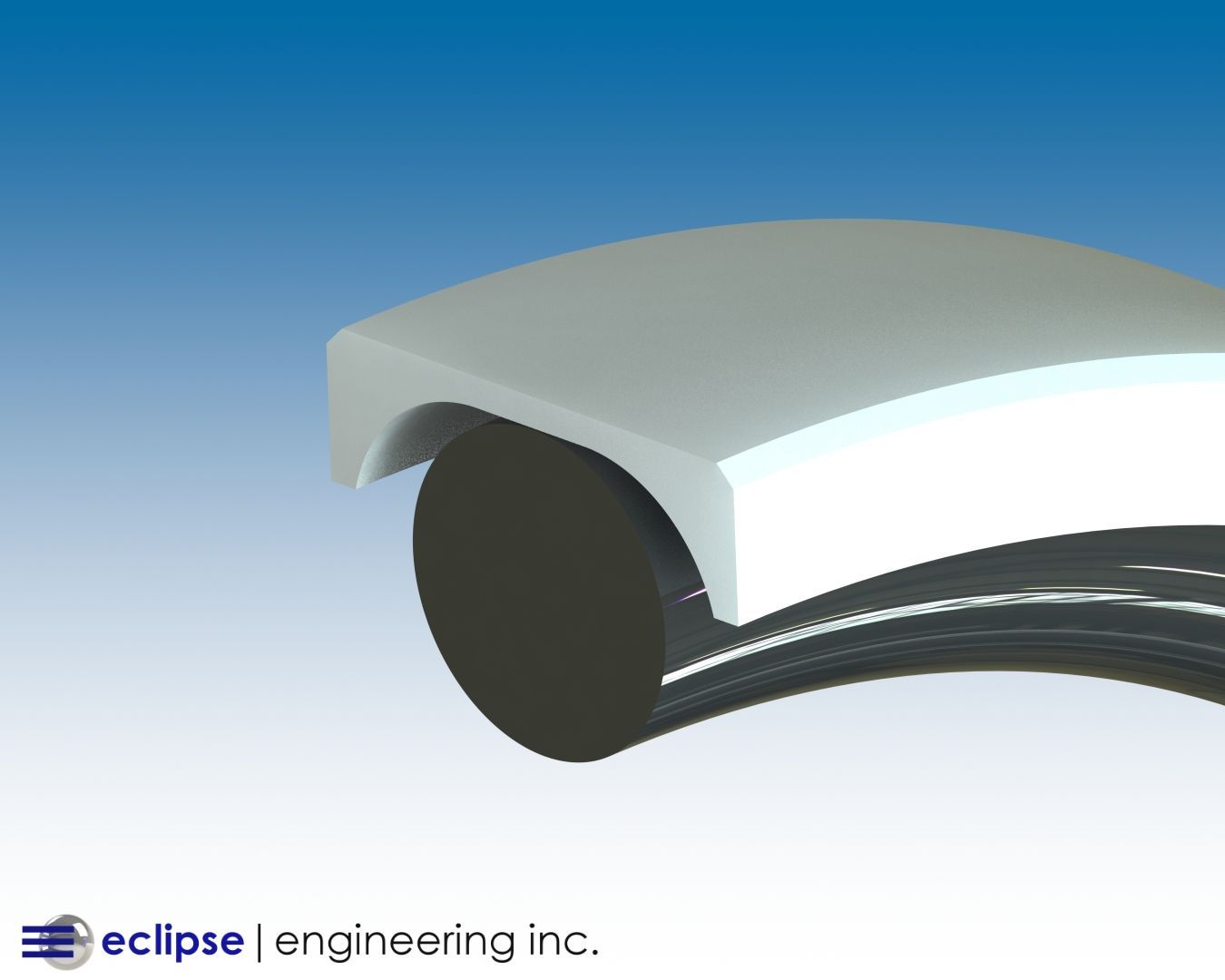
Wear rings and bearings are designed to guide moving components, such as rods and pistons, while preventing direct contact between metal surfaces. This reduces friction, minimizes wear, and extends the life of both the shaft and surrounding components.
In rotary applications, ball bearings and race systems are often used to accommodate high speeds and side loading. However, for reciprocating, oscillating, or slow rotary motion, simpler and more cost-effective solutions are typically preferred.
The two most common approaches include:
- Bronze bushings, which provide strong load support and durability
- Polymer bearings and wear rings, which offer low friction, self-lubrication, and broad load distribution
Polymer-based solutions have become increasingly popular due to their versatility, reduced maintenance requirements, and ability to perform in harsh environments. To understand why polymer bearings are so widely used, it’s important to look at where they are most commonly applied.
Common Applications for Polymer Bushings and Wear Rings
Eclipse Engineering designs a wide range of polymer bushings and wear rings for applications involving reciprocating, oscillating, and slow rotary motion.
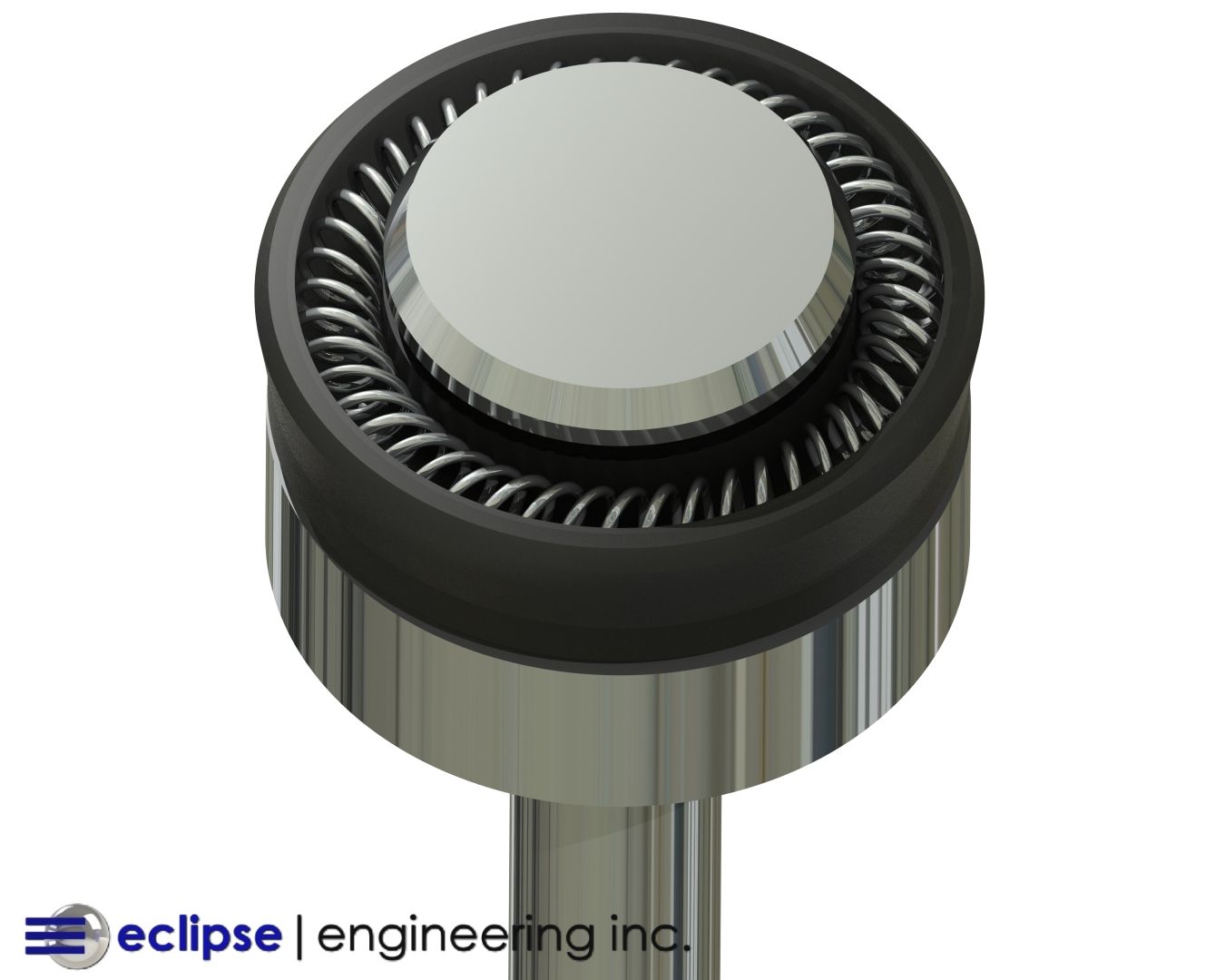
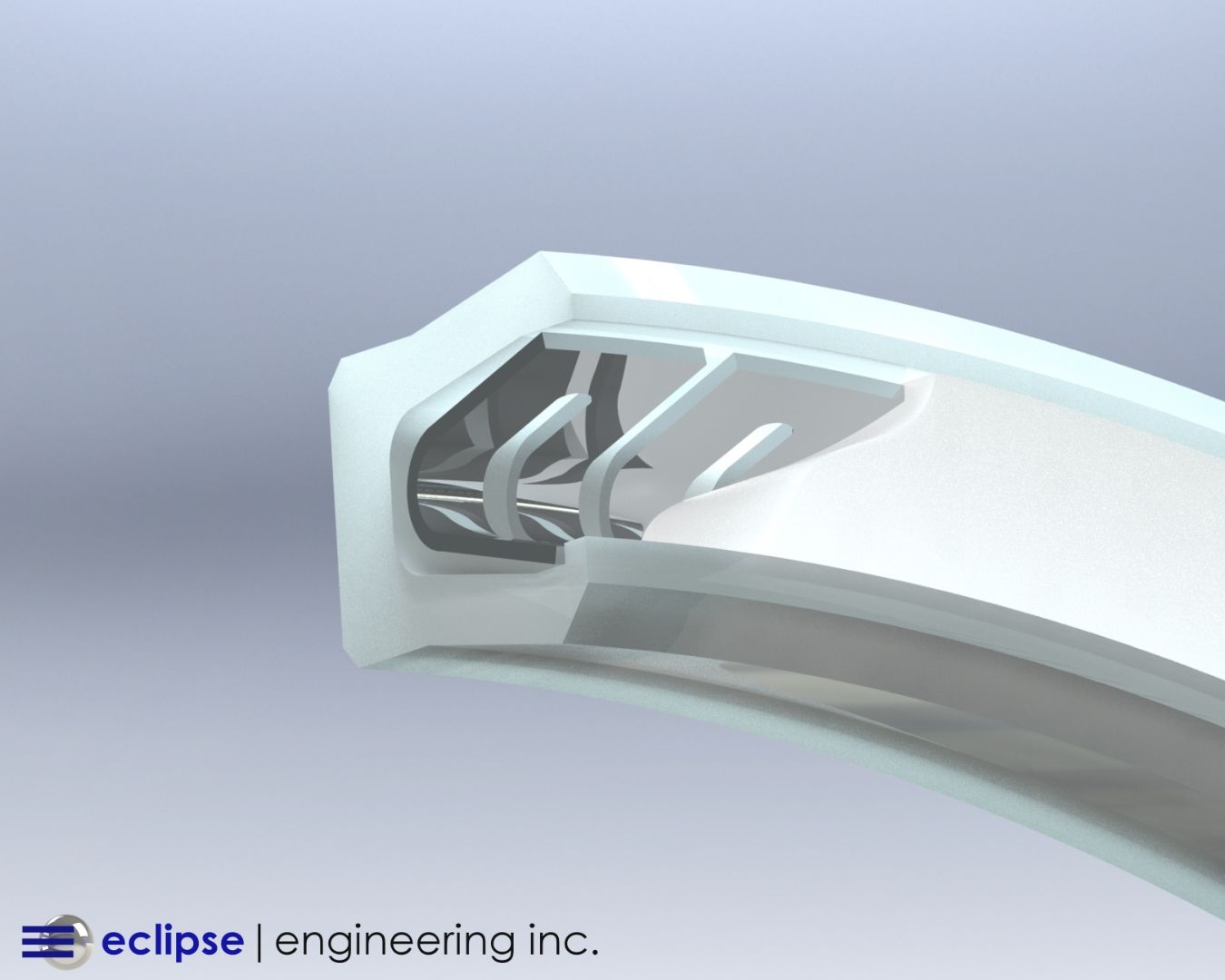
One of the most common applications is in hydraulic and pneumatic cylinders, where wear rings help guide the piston and rod while preventing contact with the cylinder wall. By keeping the shaft properly aligned, these components allow seals to function effectively and maintain fluid within the system.
This is especially critical in high-performance sealing environments, where even minor misalignment can lead to leakage, premature seal wear, or system inefficiency.
Beyond cylinders, polymer bearings are also used in:
- Industrial machinery and automation systems
- Fluid handling and pumping equipment
- Rotary unions and swivels
- Heavy equipment operating in harsh environments
Eclipse’s experience across a wide range of industrial sealing applications allows for precise material and design selection based on real-world operating conditions. The effectiveness of these components depends heavily on the materials used.
Material Selection: Why Filled PTFE Leads the Way
Material selection is one of the most important factors in determining the performance of wear rings and bearings. Among the most widely used materials is filled PTFE (Teflon®), known for its low friction, chemical resistance, and stability across a range of temperatures.
Eclipse Engineering’s ET010 bronze-filled PTFE is a commonly specified material for bearings and wear rings. The addition of bronze improves wear resistance and load-carrying capability, making it suitable for a wide variety of industrial applications.
The choice of filler material depends on several factors, including:
- Shaft material
- Operating speed
- Load conditions
- Media exposure
In more demanding environments, polyester-filled resins may be used to increase strength and durability. Materials like Eclipse’s EC131 incorporate advanced fillers such as polyester cloth or Kevlar to enhance load-bearing performance under extreme conditions.
These engineered materials are part of Eclipse’s broader portfolio of advanced sealing and bearing solutions. Regardless of material, one of the primary goals of any bearing system is to maintain proper alignment.
Keeping the Shaft Centered for Optimal Performance
Maintaining shaft alignment is critical to the success of any sealing system. Wear rings and bearings are responsible for keeping the shaft centered within the bore, minimizing eccentricity, and preventing uneven loading.
When alignment is compromised, seals are subjected to inconsistent pressure and wear patterns, which can lead to leakage and premature failure.
Many polymer bearings are self-lubricating, reducing friction and eliminating the need for additional lubrication in many applications. However, in cases where non-lubricating materials are used, grooves may be incorporated into the design to retain lubricants and improve performance.
This level of customization is a key advantage of working with a manufacturer that specializes in engineered-to-order sealing components. Beyond alignment, another critical factor in bearing performance is load-carrying capability.
How to Calculate Load-Bearing Capacity
Designing an effective bearing or wear ring requires an understanding of how materials respond to compressive loads. Load-bearing capacity is typically calculated based on the material’s compressive strength, along with an appropriate factor of safety.
One of the advantages of polymer bearings over metallic options is that they do not create point loads. Instead, they distribute force across a broader surface area, reducing localized stress and improving overall durability.
As a general rule of thumb, engineers often assume that approximately 40% of the bearing surface area is actively supporting the load. This accounts for the way polymer materials deform slightly under pressure, allowing more of the surface to engage as load increases.
Material properties vary significantly:
- Filled PTFE materials may have compressive strengths around 1,000 PSI
- Polyester-based composites can reach 50,000 PSI or more
Understanding these differences is essential when selecting materials for high-load or high-performance applications. While PTFE-based materials are common, they are not the only options available.
Alternative Bushing Materials and Their Trade-Offs
Several other materials are used in bearing and wear ring applications, each offering unique advantages and limitations.
Glass-Filled Nylon
Glass-filled Nylon is a cost-effective option with strong load-carrying capability—often around 36,000 PSI compressive strength. It is frequently used in high-volume, injection-molded applications.
However, Nylon can introduce higher friction and noise under heavy loads. In hydraulic systems, this can even lead to “stick-slip” behavior, causing cylinders to move unevenly.
Filled Acetal (POM)
Acetal-based materials offer good dimensional stability and low moisture absorption. When filled with PTFE, they can provide improved wear resistance and reduced friction.
Specialty Composites
In highly specialized environments, materials may be selected based on chemical compatibility, temperature resistance, or regulatory requirements such as FDA compliance.
Choosing the right material requires a balance between performance, cost, and environmental conditions. These trade-offs become especially important when evaluating real-world applications.
Matching Materials to Real-World Applications
Material selection is rarely straightforward. Each application presents unique challenges that must be considered during the design process.
For example, in oxygen service, certain fillers and lubricants may be incompatible, requiring careful material selection to ensure safety and performance.
In marine environments, such as bridge trunnion pins, components must withstand heavy loads while resisting corrosion from seawater exposure.
Even seemingly simple applications like hydraulic cylinders can present challenges. Factors such as side loading, pressure, and the need for smooth operation under load all influence the choice of bearing material and design.
In rotary unions, where multiple seals are often present, maintaining alignment is critical to ensuring long seal life and consistent performance.
These examples highlight the importance of working with a partner experienced in application-specific sealing and bearing design.
Manufacturing Considerations for Bearings and Wear Rings
Wear rings and bearings can be produced using different manufacturing methods depending on the application.
High-volume components are often injection molded, offering cost efficiency and repeatability. However, for custom or large-diameter components, machining from tube stock or molded blanks is often preferred.
Eclipse Engineering manufactures bushings in-house, ranging from under 0.100 inches to over 50 inches in diameter, with a variety of cross-sections to meet specific application requirements.
This flexibility allows for precise control over dimensions, materials, and performance characteristics, ensuring that each component is tailored to its intended use.
Building Reliability into Every Application
Wear rings and bearings are essential components in any system involving motion. Their ability to guide, support, and protect moving parts has a direct impact on performance, efficiency, and longevity.
Selecting the right material and design requires a deep understanding of load conditions, environmental factors, and system requirements. When done correctly, these components not only prevent wear but also enhance the performance of the entire sealing system.
At Eclipse Engineering, we combine material expertise, engineering insight, and manufacturing capability to deliver custom bearings and wear rings that meet the demands of even the most challenging applications.