Clean-in-Place (CIP) Seals and FDA Compliance in Sealing Applications
Clean-in-Place (CIP) seals play a critical role in food processing, pharmaceutical, and sanitary manufacturing applications where cleanliness, contamination control, and regulatory compliance are essential. This article explains how CIP seals work, common seal designs, material considerations, and what FDA compliance means when selecting sealing solutions for sanitary applications.
What Are Clean-in-Place (CIP) Seals?
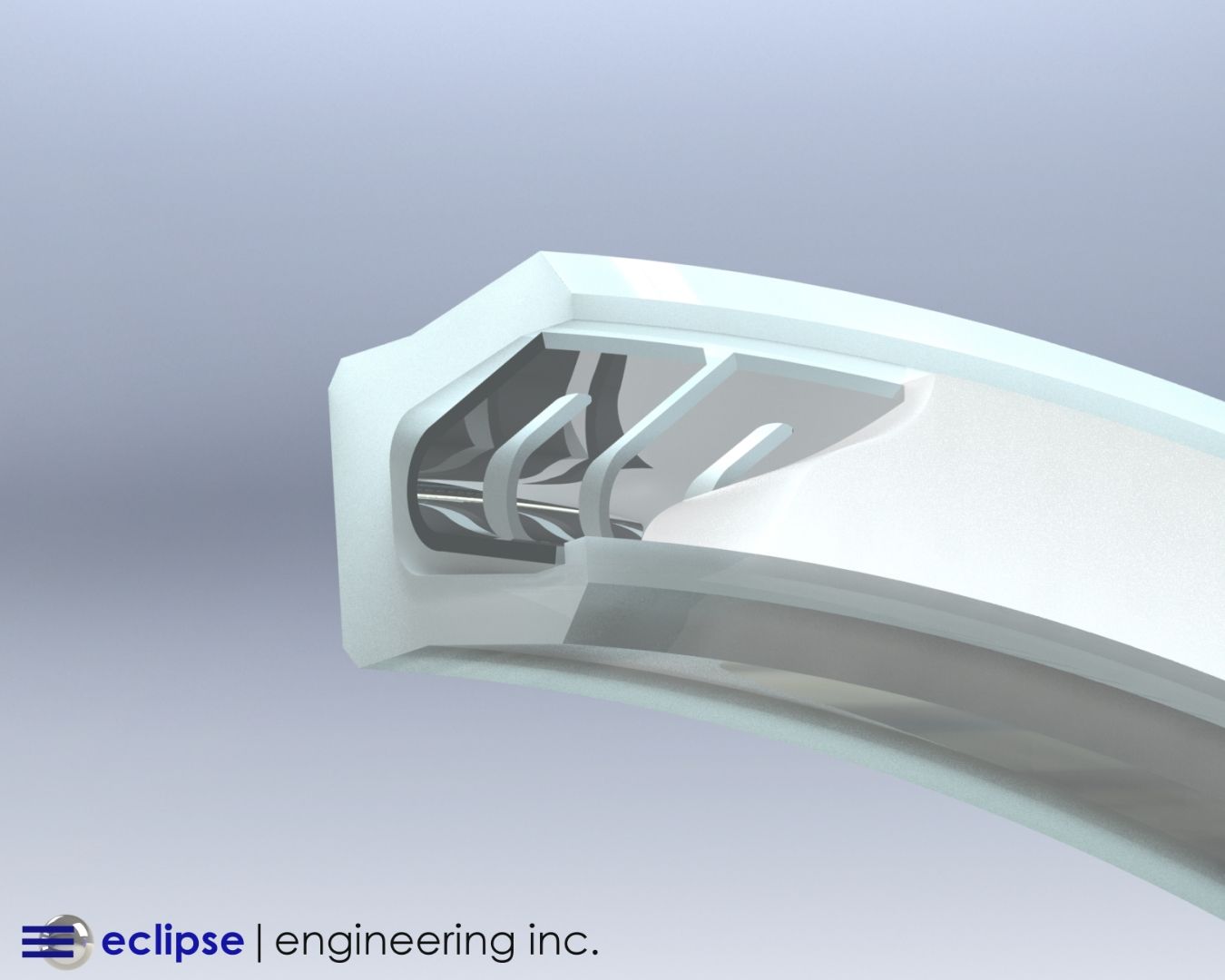
Clean-in-place (CIP) seals are specifically engineered to remain installed within equipment while still allowing effective cleaning of both the seal and the surrounding hardware. This capability is particularly important in industries such as food processing, pharmaceuticals, and chemical handling, where cleanliness, contamination control, and process integrity are essential. By enabling operators to flush and clean the seal cavity without disassembly, CIP seal designs help reduce downtime, simplify maintenance procedures, and minimize the risk of introducing contaminants during equipment teardown.
The fundamental concept behind CIP seals is straightforward: the seal gland is designed in a way that allows cleaning fluids to flow through it, removing debris, residue, or product buildup. In many applications, the same chemicals or cleaning agents used to sanitize the broader system are also used to flush the seal cavity. This ensures consistency in cleaning while eliminating the need for specialized procedures. In food and pharmaceutical environments—where product purity is critical—this approach allows seals to remain functional while still meeting stringent hygiene requirements.
Common CIP Seal Designs
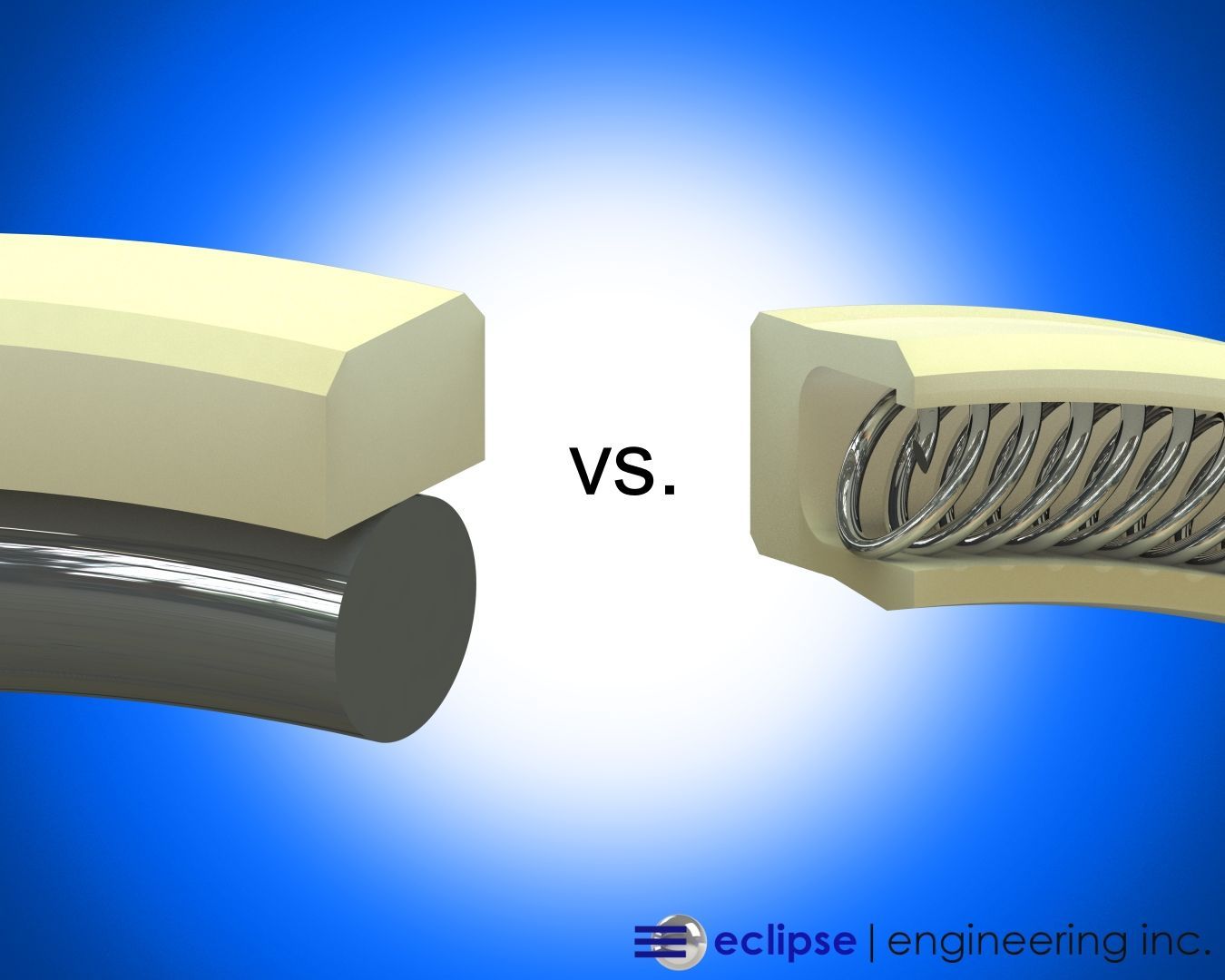
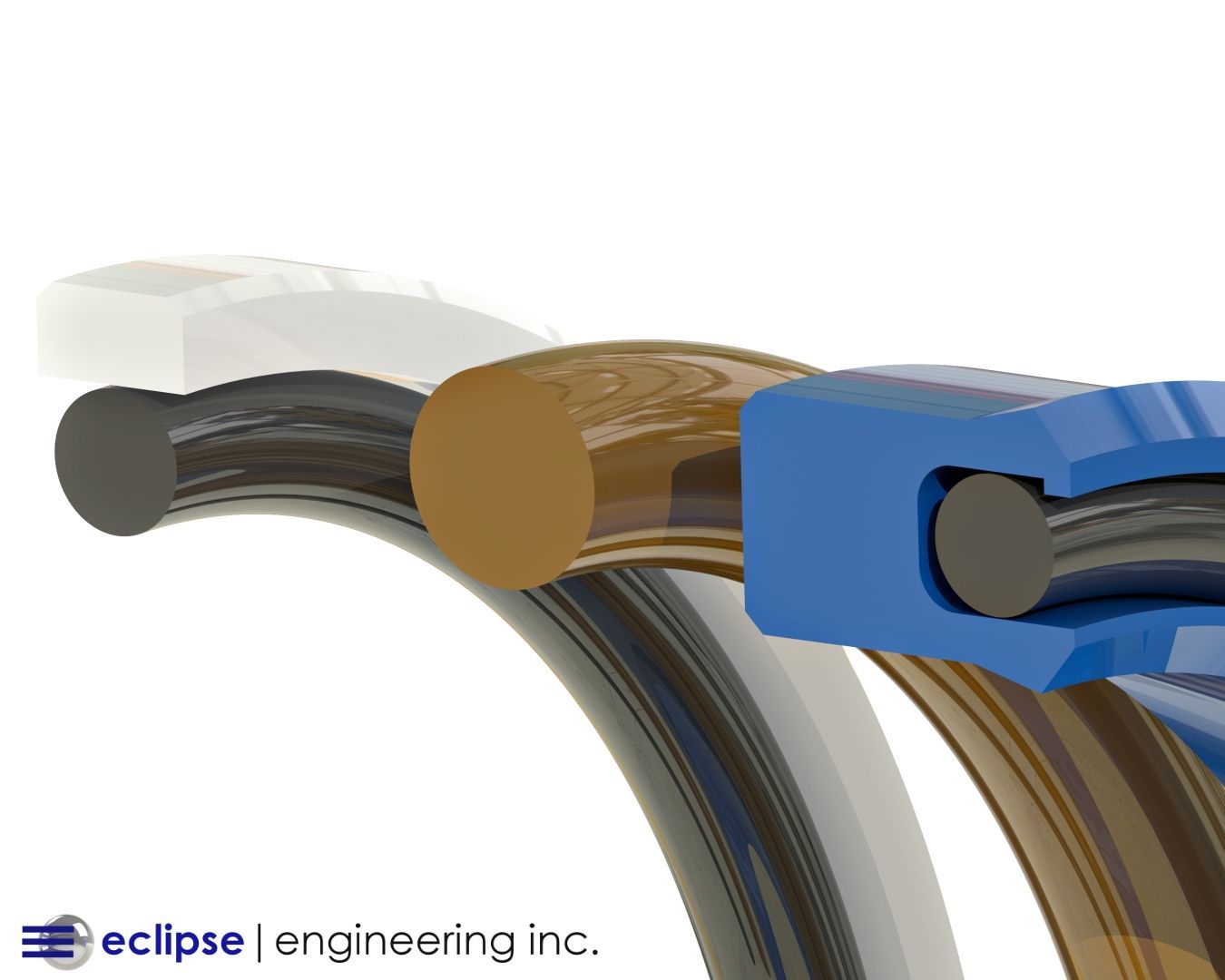
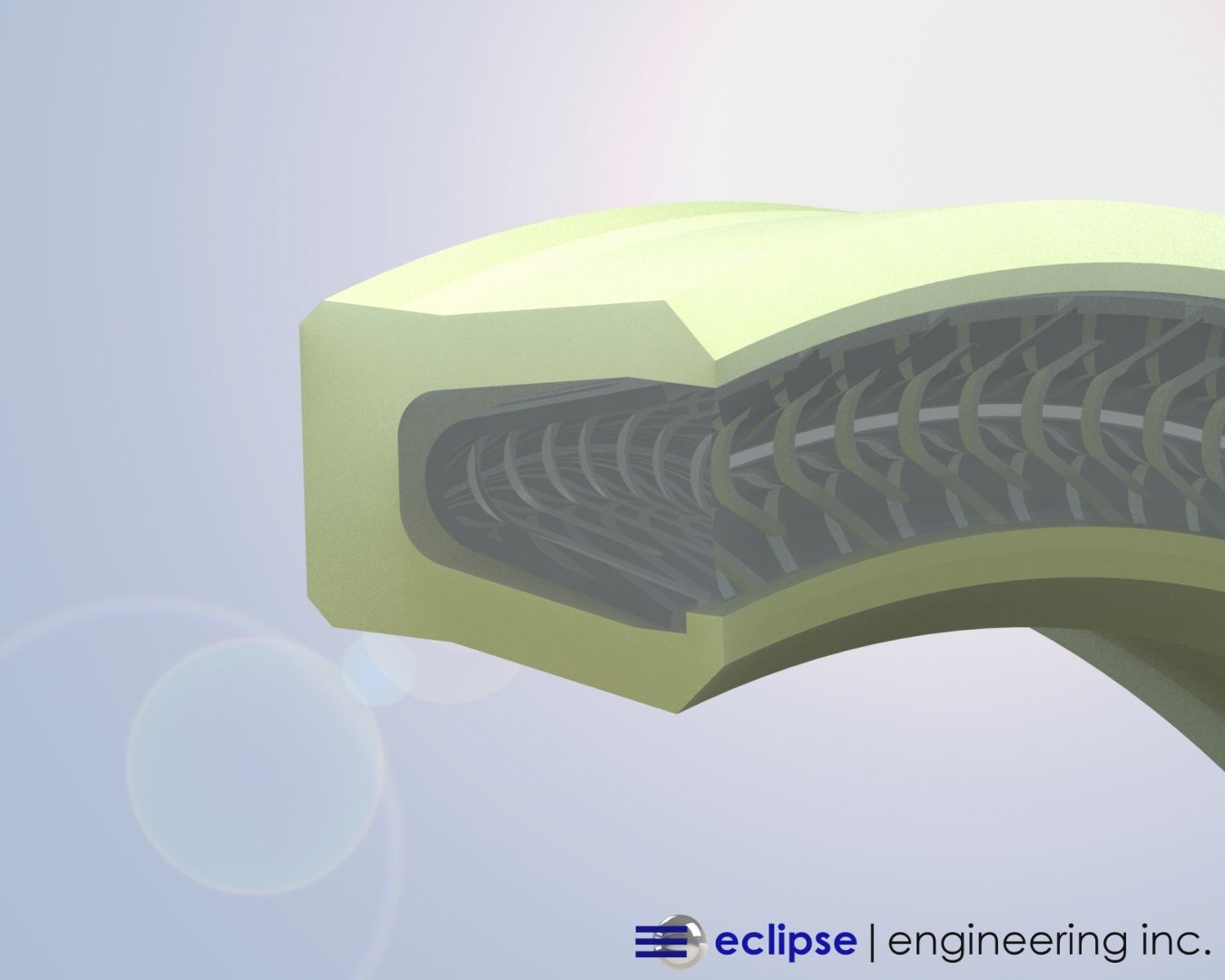
A variety of seal designs can be adapted for CIP use, depending on the application requirements. One of the most common designs is the spring-energized seal, which incorporates a cantilever spring to maintain sealing force. In CIP configurations, the spring cavity is often filled with a compliant silicone material. This filling serves an important purpose: it eliminates voids within the seal where product or contaminants could accumulate while still allowing the spring to function as intended. As a result, the seal remains both mechanically effective and cleanable during operation.
Another widely used option is the non-spring lip seal. These seals can be oriented so that the open side faces the product stream, allowing cleaning solutions to fully access the sealing interface. This orientation is particularly beneficial during flushing cycles, as it ensures that debris is not shielded from the cleaning flow.
Material Selection for CIP Seals
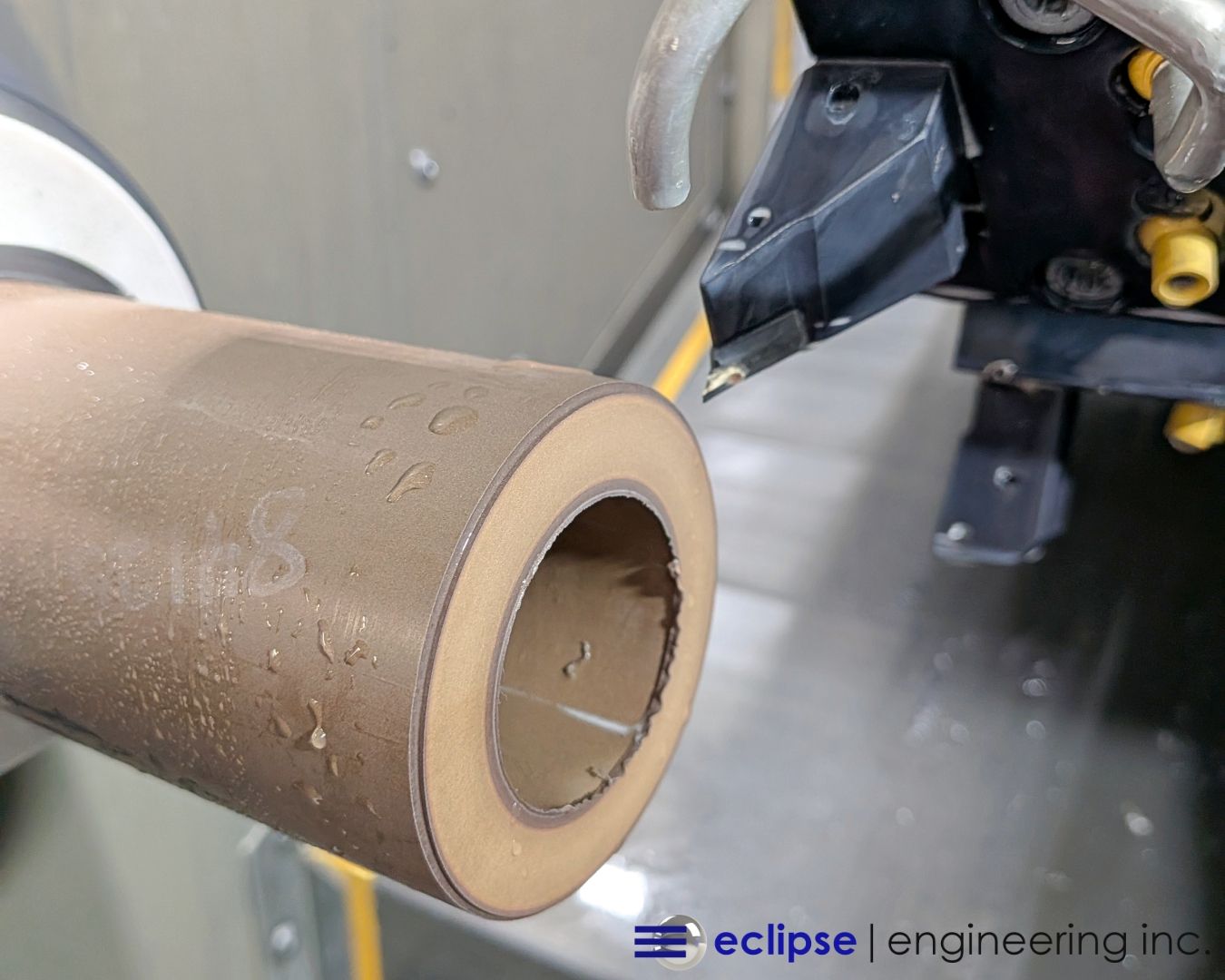
Material selection plays a central role in the effectiveness of CIP seal systems. Materials such as PTFE (Teflon) and ultra-high molecular weight polyethylene (UHMW) are commonly chosen due to their chemical resistance, low friction properties, and compatibility with aggressive cleaning agents. These materials not only withstand repeated cleaning cycles but also contribute to longer service life and improved system performance. In many cases, they are also suitable for applications that must meet regulatory requirements for food or pharmaceutical use.
Integrated Seal Designs
In some advanced designs, seals are integrated directly into machine components such as pistons or plungers. This integration eliminates gaps and crevices where contaminants might otherwise accumulate. For example, a piston-mounted seal may include a spring cavity that is completely filled with silicone, preventing any ingress of product into internal spaces. These integrated solutions are particularly useful in filling operations involving viscous products, such as food pastes or gels, where maintaining cleanliness and preventing cross-contamination are critical.
Single-Use vs. Reusable CIP Seals
There are also operational scenarios where seals are intentionally treated as single-use components. In these cases, seals are removed and replaced between production runs to eliminate the risk of cross-contamination between products. Designs that allow for easy removal—such as stepped glands that do not require additional retainers—are especially valuable in these environments, as they reduce the likelihood of trapping particles and simplify maintenance procedures. However, it is important to recognize that many CIP seals are not reusable once removed. Because they are often integrated into the gland or rely on one-piece retention features, disassembly can damage the seal and render it unsuitable for further use.
Understanding FDA Compliance in Sealing Applications
Alongside cleanability, regulatory compliance is a critical consideration in many CIP applications. In industries governed by the U.S. Food and Drug Administration (FDA), materials used in sealing systems must meet strict requirements. However, there is often confusion about what “FDA-Approved” actually means. The FDA does not typically approve raw materials in isolation; instead, it approves finished devices or systems used in specific applications. Materials are considered “FDA Compliant” when they are listed under relevant regulations and have been shown to perform safely under defined conditions.
This distinction is important because material compatibility is highly dependent on the application environment. A material that performs well in one process may not be suitable in another if it reacts differently with the substances involved. As a result, compliance is not a one-size-fits-all designation but rather a determination based on how materials interact within a specific system. For this reason, equipment manufacturers and end users must evaluate the entire application—including process conditions, product chemistry, and cleaning methods—when selecting sealing materials.
FDA-Compliant Materials Available from Eclipse Engineering
Eclipse has a number of materials are commonly used in applications that require FDA compliance. FDA regulation 21 C.F.R. 177.1550 is commonly cited.
- ET000: Virgin PTFE
- ET014: Polyimide filled PTFE
- ET018: Mineral filled PTFE
- EZ030: Virgin Modified PTFE
- EU000: Virgin UHMW-PE (Natural)
Additionally, many elastomers, urethanes, and polyester-based materials can be formulated to meet compliance requirements. Silicone compounds used to fill seal cavities in CIP designs are also selected for their compatibility and regulatory acceptance.
Material Limitations for Food and Pharmaceutical Applications
It is important to note, most FDA compliant materials are either virgin grade or lightly filled. Heavily filled, wear resistant PTFE blends containing elements such as carbon or fiberglass are typically not FDA compliant. In demanding applications, the use of FDA compliant materials may severely limit the wear life potential of stressed sealing components.
PTFE blends where the filler can shed such as graphite or bronze filled, are not recommended for any food or pharmaceutical applications, even if FDA compliance is not required.
Designing for Compliance Beyond Material Selection
Beyond materials, achieving compliance requires a holistic approach to system design. The placement of components such as bearings, for example, must be carefully considered. Even when bearings themselves are made from suitable materials, the clearances required for installation can allow product to migrate into areas that are difficult to clean. Proper sealing is therefore essential to isolate these components and maintain a contaminant-free environment. Similarly, rotary seals may be designed with multiple sealing lips to keep lubricants separated from the product stream, ensuring that both system performance and hygiene standards are maintained.
Ultimately, responsibility for regulatory approval rests with the equipment manufacturer or end user rather than the seal supplier. While seal manufacturers can provide guidance and recommend materials known to meet compliance standards, final validation depends on the specific application and governing regulations. In many cases, companies aim to achieve compliance with established FDA guidelines rather than pursuing full FDA approval, as the latter process can be complex and costly.
Proper Installation and Long-Term Performance
Proper installation and handling practices are also critical to seal performance. Even well-designed CIP seals can fail if they are not installed correctly or consistently. For operations involving high production volumes, standardized installation procedures are essential to ensure repeatable performance and reliability. The long-term success of a sealing system depends not only on design and material selection but also on how effectively the seal is integrated, maintained, and cleaned within the overall process.
Partner with Eclipse Engineering for CIP Sealing Solutions
If you have an application that requires CIP seals or FDA compliance, Eclipse’s decades of experience will ensure your sealing solution not only complies but performs to the maximum potential.
Contact Eclipse Engineering today to discuss your application and let our engineering team help you identify the right sealing solution for your food, pharmaceutical, or sanitary processing equipment.